
6 Ways UK Businesses Can Cut Logistics Costs Without Compromising Delivery Speed

Table of Contents
Logistics spending is eating into your margins. You know it. Your accountant knows it. But what can you actually do about it without turning your deliveries into a slow nightmare?
UK businesses spent over £127 billion on logistics in 2023, according to the Chartered Institute of Logistics and Transport. That’s roughly 10% of GDP.
For most companies, transport and warehousing represent their third-largest operational expense after staff and premises. The pressure is real.
Here’s the thing: cutting costs doesn’t have to mean slower deliveries or angry customers. You just need to work smarter. Many UK companies are already doing this by rethinking how they approach freight services and making small adjustments that add up to serious savings.
Let me show you how.
1. Stop Shipping Everything Separately
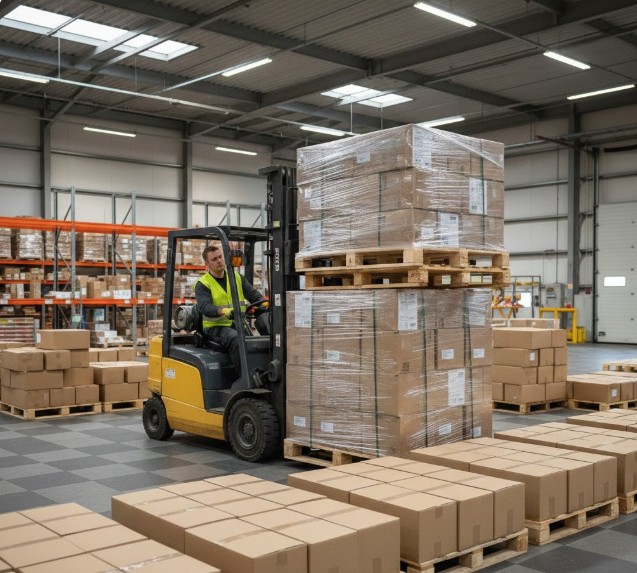
This sounds obvious, but you’d be surprised how many businesses default to individual shipments when they could consolidate.
Groupage shipping can slash your costs by 30 to 50%. Instead of sending three quarter-full pallets to Europe across three separate days, you combine them into one shipment. Simple maths. Less fuel, fewer handling fees, better rates from your carrier.
A Manchester-based electronics distributor was shipping to Germany five times a week, each time with one or two pallets as an example. Switching them to consolidated twice-weekly shipments dropped their freight services costs by £18,000 annually. Delivery times stayed exactly the same because they planned their inventory better.
The key is forecasting. If you know what’s going out next week, you can group shipments by destination or region. It takes a bit of planning. But the savings are immediate.
For urgent items? Ship them individually. For everything else? Wait and consolidate. You’ll thank yourself when you reviewing the quarterly spend.
2. Match Your Mode to Your Urgency
Not everything needs air freight. Not everything can wait for sea cargo. The trick is knowing which mode suits which shipment.
Road freight works brilliantly for UK and European deliveries. It’s usually the cheapest option for distances under 1,500 miles, and delivery times are predictable. Most UK to mainland Europe routes take between 24 and 72 hours door to door.
Air cargo is fast but expensive. Use it for high-value items, urgent replacements, or time-sensitive goods like pharmaceuticals or perishable products. Air freight can cost three to five times more than road, but it gets your goods there in hours rather than days.
Sea cargo is the slow and steady option. Perfect for bulk shipments, non-urgent goods, or anything heading outside Europe. It can take weeks, but the cost per kilo is often 80% lower than air.
Think about it this way. You’re shipping promotional materials for a trade show in three weeks. Road freight gets them there in plenty of time for £200. Air freight would cost £850 and arrive in two days. Why pay the extra £650?
Now imagine you’re sending replacement parts for a production line that’s stopped. Air freight suddenly makes perfect sense. Downtime costs you thousands per hour. The £850 is nothing.
Most businesses waste money by defaulting to one mode for everything. Review your shipments monthly and ask yourself: does this really need to go by air? Could this have gone by sea? You’ll spot patterns quickly.
3. Negotiate Like You Mean It

Too many businesses accept the first quote they get. Don’t do that.
Freight rates are negotiable. Always. Carriers want your volume and your loyalty. They’ll bend on price if you ask properly.
Start by getting quotes from at least three different providers. This gives you leverage. When you go back to your preferred carrier and say “I’ve got a quote that’s 15% cheaper,” they’ll often match it or get close.
Volume discounts are where the real savings hide. If you’re shipping 50 pallets a month, you should be paying significantly less per pallet than someone shipping 5. Most carriers have tiered pricing. Push to get into the next tier up by consolidating more or committing to longer contracts.
Long-term contracts also give you better rates. A 12-month agreement usually gets you 10 to 20% off standard pricing. Just make sure the terms allow for volume adjustments. You don’t want to be locked into paying for capacity you’re not using.
Review your contracts every year. Don’t let them auto-renew. Markets change, new carriers enter your region, and your volumes shift. What was a good deal in 2023 might be mediocre now.
One other thing: build relationships with your account managers. Seriously. They can push through discounts, prioritise your urgent shipments, and give you advance warning of price increases. Treat them well, and they’ll look after you when you need it most.
4. Sort Out Your Packaging

Bad packaging costs you twice. Once in materials, again in freight charges.
Many carriers charge by dimensional weight now, not just actual weight. If your package is bulky but light, you pay for the space it takes up. A 5kg parcel that measures 80cm x 60cm x 60cm might be charged as if it weighs 30kg.
Smaller, tighter packaging saves you real money. I’ve seen companies cut their packaging costs by £25,000 annually just by switching to smaller boxes and removing excess void fill.
Here’s what works. Invest in custom-sized boxes rather than using standard sizes. Standard boxes force you to add padding, which increases dimensions and weight. Custom boxes fit your products exactly, minimising both.
Use lightweight materials. Heavy-duty cardboard feels premium but often isn’t necessary. For most goods, a lighter-grade box with proper interior protection works just fine. You’re not saving much per box, but it adds up across thousands of shipments.
Protect your goods properly though. Damaged goods mean returns, refunds, and reshipping. That wipes out any savings you made on packaging. According to a 2024 study by the UK Warehousing Association, damaged goods cost UK businesses over £2 billion annually in returns and replacements. Strike the balance between minimal packaging and adequate protection.
Test your packaging regularly. Ship samples to yourself. See if they arrive intact. If you’re getting damage complaints, upgrade your protection before you upgrade to a more expensive carrier.
5. Measure What Matters
You can’t improve what you don’t track.
Set up a simple logistics dashboard. Track your cost per delivery, average delivery time, percentage of on-time deliveries, and rate of damaged or lost and returned items. Review it monthly.
Most businesses only look at total logistics spend. That’s not enough. You need to know your cost per kilo, per route, per carrier. This tells you where you’re overpaying and where you’re getting good value.
For example, you might discover that your London to Paris route costs £12 per kilo with Carrier A but only £8 per kilo with Carrier B. You’d never spot that looking at total spend alone.
Audit your shipments quarterly. Pull a report of everything you sent in the last three months. Look for patterns. Are you rushing too many shipments? Could some have been consolidated? Are certain routes consistently late, suggesting you need a different carrier?
One manufacturing company I advised discovered they were paying for express delivery on 40% of their shipments. When we dug into the data, only 15% actually needed express. The rest were sent express out of habit. Switching the unnecessary ones to standard saved them £47,000 a year.
Use your carrier’s tracking tools properly. Most now offer detailed analytics showing exactly when delays happen and why. If your carrier repeatedly delivers late on Tuesday afternoons, you can plan around that. Ship a day earlier or switch carriers for Tuesday deliveries.
Technology helps here. Freight management software can automate rate comparisons, flag unusual costs, and generate reports without you lifting a finger. The ROI is usually positive within six months if you’re shipping more than 100 items a month.
6. Start With One Change

You don’t need to overhaul everything at once. Pick one area from this list and tackle it this month.
Could you consolidate five shipments into three? Could you renegotiate with your current carrier? Could you switch to smaller packaging for your top-selling products?
One change creates momentum. You see savings quickly, which makes it easier to tackle the next area. Within six months, you’ll have transformed your logistics operation without compromising delivery speed.
The businesses winning on logistics aren’t necessarily the biggest. They’re the ones paying attention to the details, questioning their assumptions, and making incremental improvements. That can be you.
Your customers still get their goods on time. Your margins improve. Your finance director stops asking uncomfortable questions about logistics.
Seems like a good deal.
Author Profile

- Passionate content creator, contributor, freelance writer and content marketing allrounder.