
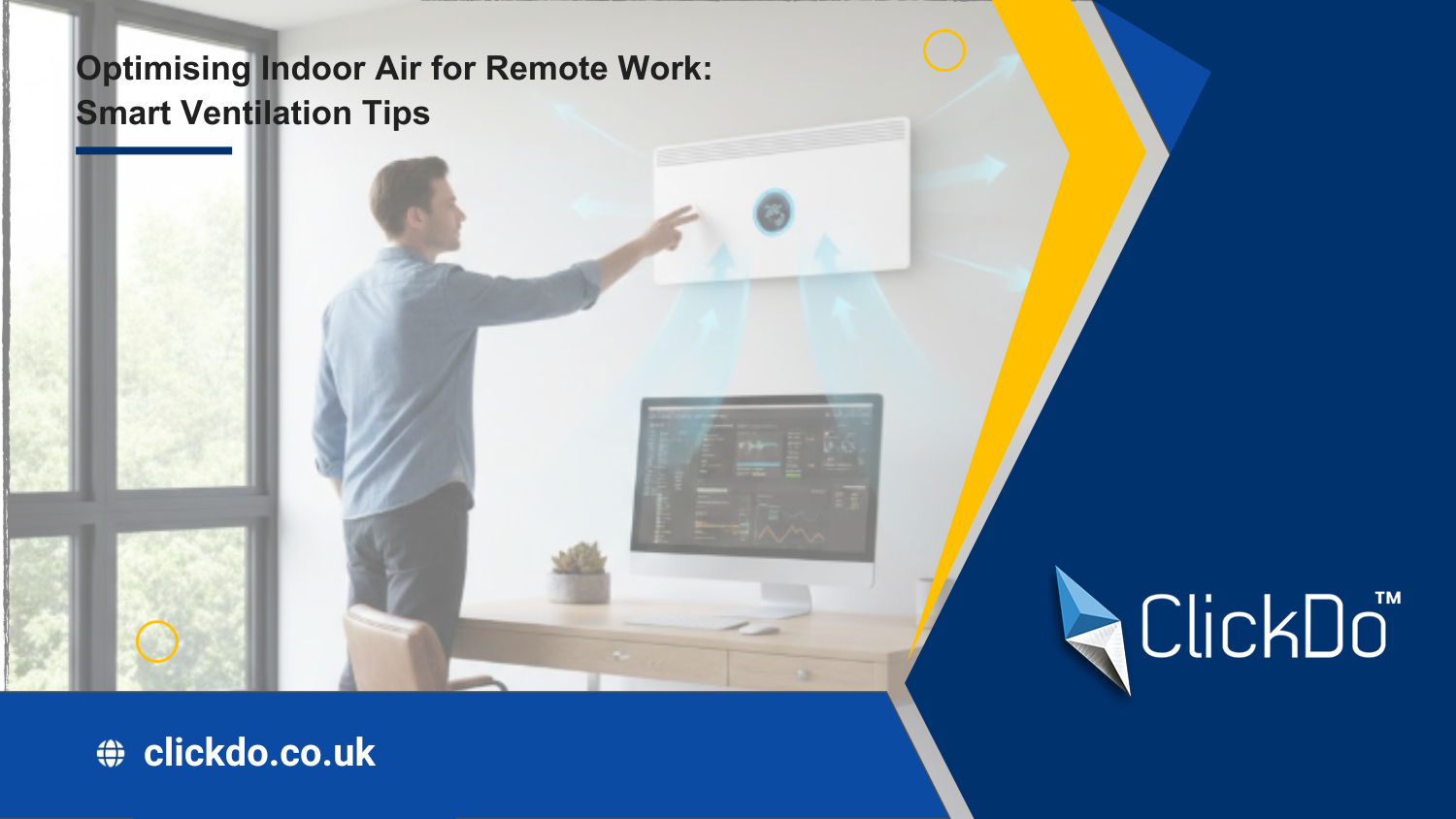
Optimising Indoor Air for Remote Work: Smart Ventilation Tips

Table of Contents
As remote work remains a mainstay for digital marketers, entrepreneurs, and bloggers, the quality of your home workspace can directly affect productivity, focus, and overall well-being. One often overlooked factor is indoor air quality. Poor airflow and accumulated pollutants can lead to fatigue, headaches, and even reduced cognitive performance. Ensuring a healthy environment is crucial for anyone spending long hours in front of screens.
Why indoor air quality matters for remote workers

Indoor air contains pollutants such as dust, allergens, volatile organic compounds (VOCs), and excess humidity, especially in rooms that are not designed for constant occupancy. For remote professionals, prolonged exposure to these conditions can reduce attention span, increase stress, and compromise immune function. Investing in better air management is, therefore, a practical step toward sustainable remote work efficiency.
Identifying ventilation issues in your home office
Signs that your workspace needs improved ventilation include:
- Frequent feelings of fatigue or headaches during work hours.
- Stale or musty odours linger despite cleaning.
- Condensation on windows or damp spots on walls.
- Allergy flare-ups or increased respiratory discomfort.
Recognising these early can prevent long-term health issues and protect the integrity of your home office environment.
Practical strategies to improve airflow
There are several actionable measures remote workers can implement to enhance indoor air quality:
- Open windows periodically to allow natural air exchange.
- Use exhaust fans in kitchens and bathrooms to lower indoor humidity, promoting a healthier and cleaner home office environment.
- Place indoor plants that help filter air and reduce VOCs.
- Maintain heating and cooling systems to circulate air efficiently.
- Consider portable air purifiers for small or enclosed office spaces.
Integrating smart ventilation solutions
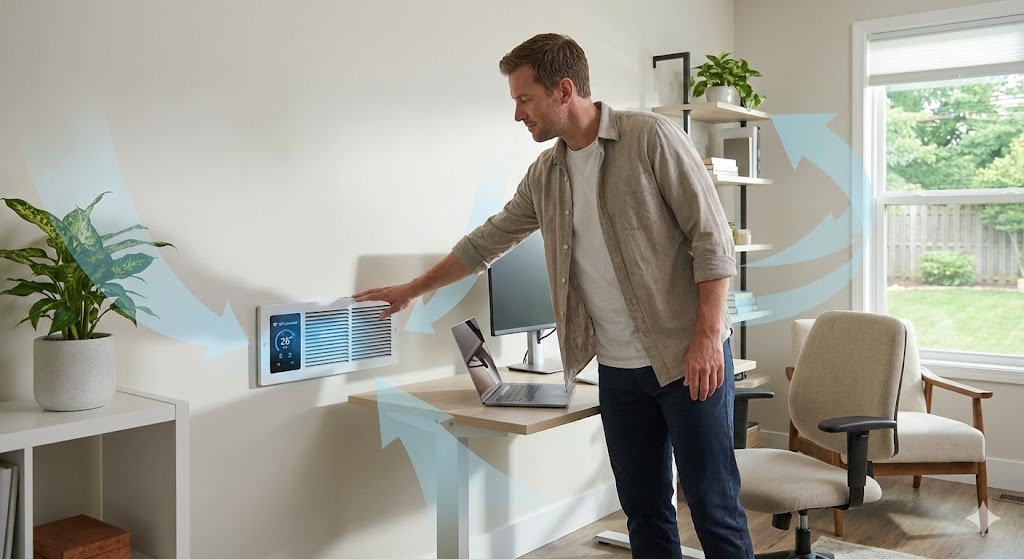
For consistent, efficient airflow, a modern solution is installing a dedicated air vent. These units can be integrated into existing HVAC systems or stand-alone ducts, allowing for controlled air movement and reducing stagnant air zones. High-quality air vents not only enhance comfort but also contribute to healthier indoor conditions by continuously removing pollutants and regulating humidity.
Maintenance for long-term efficiency
Even the best ventilation solutions require regular upkeep:
- Inspect and clean air vents periodically to prevent dust accumulation.
- Check airflow to ensure all areas of the workspace receive adequate ventilation.
- Replace filters or components as recommended by the manufacturer.
- Combine mechanical ventilation with occasional natural ventilation to maintain optimal freshness.
Benefits beyond air quality
Optimised ventilation not only supports better health but also elevates overall comfort while protecting your workspace and essential home-office equipment. Effective air circulation prevents mould growth and moisture damage, which can affect walls, furniture, and electronics. It also supports energy efficiency by allowing heating or cooling systems to operate more effectively without overcompensating for poorly ventilated areas.
Conclusion
For professionals working remotely, maintaining excellent indoor air quality is essential. Simple actions, such as opening windows and using air purifiers, combined with the installation of a well-designed air vent, create a healthier, more productive home office environment. Prioritising smart ventilation is a practical investment in both well-being and work performance.
Author Profile

- Passionate content creator, contributor, freelance writer and content marketing allrounder.
Latest entries
 Business ManagementSeptember 28, 2026How Continuing Professional and Career Development Can Drive Growth
 BusinessAugust 26, 2026A Quick Start Guide to White-Label Business
 TechnologyMay 4, 2026How to Install an International eSIM on iOS and Android
 Home BusinessDecember 4, 2025Optimising Indoor Air for Remote Work: Smart Ventilation Tips