
Unmortgageable Island Properties in 2027: How a Bridging Loan Can Help Buyers on the Isle of Wight

By Ryan Bradman
TL;DR
Unmortgageable Isle of Wight properties face lender rejections due to habitability issues, structural defects, non-standard construction, short leases, or local coastal hazards like ground movement and flooding.
- Bridging loans provide short-term, asset-based secured funding that enables buyers to purchase derelict or unmortgageable buildings and complete necessary works.
- Working with specialist brokers like KIS Finance gives buyers access to flexible non-high-street lenders willing to underwrite non-standard island assets.
- A viable exit strategy, such as an open-market sale or remortgaging after navigating lender rules like the six-month ownership requirement, is essential to secure bridging approval.
An unmortgageable property on the Isle of Wight is a building that high street lenders decline due to severe habitability defects, structural damage, or non-standard construction. Buyers use short-term bridging loans to finance these purchases when conventional lenders refuse security. Lenders evaluate these temporary loans on asset value and a clear exit strategy rather than standard affordability tests. In this guide, you will learn how to secure unmortgageable island properties using bridging finance.
What Makes an Isle of Wight Property Unmortgageable?
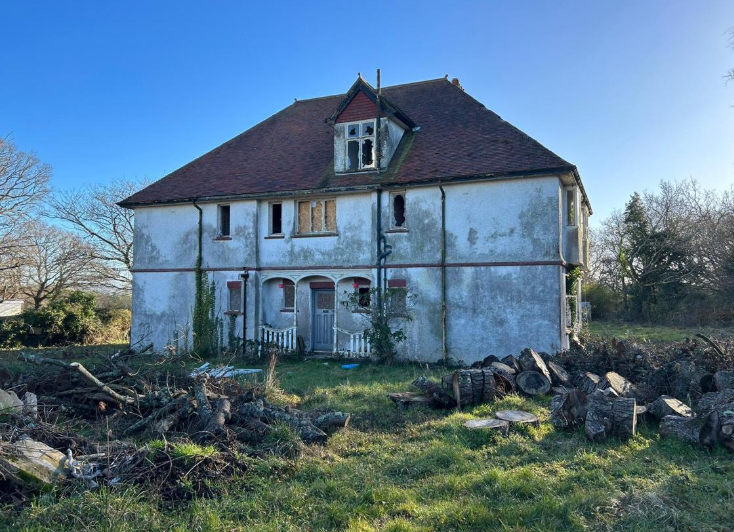
Properties become unmortgageable when mainstream lenders determine that habitability defects, structural damage, non-standard construction, or site-specific risks prevent them from easily repossessing and selling the asset in the event of default.
Habitability Deficiencies and Structural Defects
Mainstream lenders require properties to meet basic habitability standards before approving mortgage funds. A home must feature a watertight roof, structural stability, a working kitchen, a functioning indoor bathroom, operational heating, secure doors and windows, and safe electrical systems.
Structural failures directly trigger lender declines. Wet rot, dry rot, rising damp, subsidence, severe cracking, or structural damage resulting from historical fires or flooding render a property unmortgageable until fully repaired.
Non-Standard Construction and Legal Defects
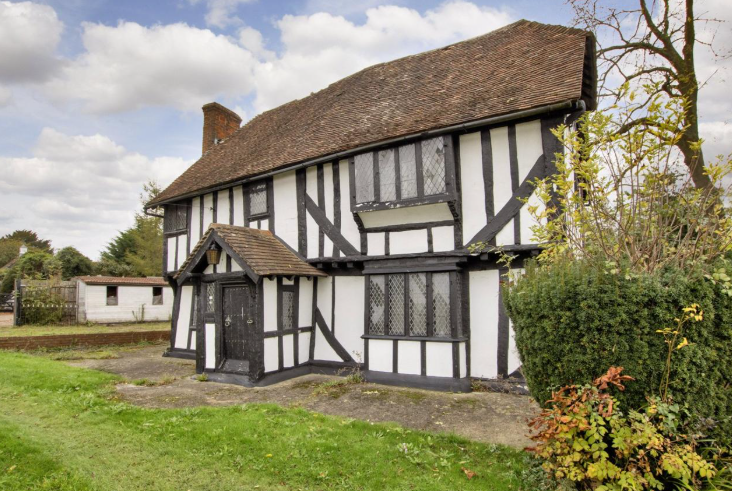
Unusual construction methods present significant hurdles for traditional mortgage underwriters. Timber-framed, concrete-framed, modular, prefabricated, and thatched buildings face strict lending restrictions or outright refusal.
- Physical & Structural Factors: Absence of a working kitchen or bathroom, severe damp, wet or dry rot, non-standard building materials such as thatch, and dangerous electrical or gas installations.
- Legal & Environmental Factors: Leases with fewer than 60 remaining years, sitting tenants occupying the site, high coastal erosion risks, and unresolved planning breaches.
Legal issues also create severe security concerns for lenders. Short leasehold terms under 60 years, sitting tenants, unapproved planning alterations, boundary disputes, or missing legal rights of way regularly block standard mortgage approvals.
Isle of Wight Regional Risks
Coastal exposure accelerates the deterioration of building exteriors, driving higher instances of severe damp and timber decay across older seafront stock. Ground instability along the Undercliff near Ventnor and flood risks along the Medina and Yar valleys create site-specific threats that cause surveyors to issue conservative assessments. Transporting materials across the Solent via ferry introduces logistical delays that can extend structural repair timelines.
How Short-Term Bridging Finance Unlocks Island Purchases

A bridging loan provides short-term secured capital based primarily on property value and a viable exit plan, enabling buyers to purchase unmortgageable assets quickly and perform necessary works.
Core Mechanics and Underwriting Focus
Bridging loans cover temporary funding gaps for periods typically ranging from 1 to 12 months. Specialist lenders provide these loans secured against property via a legal charge. A first charge bridge ranks ahead of other lenders, whereas a second charge bridge sits behind an existing mortgage and requires the primary lender’s consent.
Asset-focused underwriting prioritises the value of the security and the feasibility of the repayment strategy over traditional long-term affordability tests. Lenders evaluate the property’s realistic potential after proposed works rather than its immediate condition. Funds can be released within days for simple transactions, though complex legal cases take six to eight weeks.
Borrowing Limits and Valuations
Gross loan-to-value (LTV) limits generally range from 70% to 80%, which includes fees and rolled-up interest added to the total balance. Some products reach 85% gross LTV, and additional security allows up to 100% of the purchase price. Buyers must supply a deposit or equity contribution of 20% to 30% or more to cover the shortfall.
Lenders often calculate borrowing limits against a 90-day or 180-day quick sale valuation. These valuations sit lower than agreed open-market purchase prices, reducing net advance amounts. Buyers can pledge additional owned property as extra security to raise additional capital for purchase and refurbishment costs.
Role of Specialist Brokers and Regulated Lending
Taking a bridging loan through a specialist broker such as KIS Finance allows buyers to access a panel of non-high-street lenders willing to accept non-standard or derelict island property. Brokers verify lender appetite regarding specific structural or site defects before submission.
Loans secured against property that the borrower or a close family member intends to occupy are regulated by the Financial Conduct Authority (FCA). Unregulated bridging applies to investment, commercial, and buy-to-let projects, offering faster execution with fewer administrative checks. Buyers can verify authorised status using the Financial Services Register.
Planning Your Exit Strategy and Timing the Refinance

A clear, credible exit strategy, either refinancing onto a standard mortgage after works are complete or selling the property, is the mandatory requirement for securing bridging approval.
Refinancing and Sales Exits
Lenders accept two primary repayment methods: open-market sale or refinancing onto a long-term mortgage product. When planning a refinance, buyers must confirm that the finished property will satisfy standard underwriting criteria.
The completed building needs a watertight roof, a fully fitted kitchen, a working indoor bathroom, safe electrical and heating systems, and structural stability. For investment properties, buyers must qualify under standard buy-to-let affordability tests, while owner-occupiers must meet residential income criteria.
- Refinance Onto Mortgage: Requires habitability compliance, verified end-borrower income and affordability checks, and adherence to lender ownership rules such as the six-month rule.
- Open-Market Sale: Requires a realistic gross development value appraisal, depends on market speed and local buyer demand on the island, and involves standard estate agency, legal, and completion timelines.
The Six-Month Rule and Timeline Management
Many high-street lenders enforce guidance originating from the Council of Mortgage Lenders (now part of UK Finance) that limits remortgaging within six months of purchase. Lenders adhering to this rule restrict borrowing to the original purchase price rather than a higher post-works valuation during the initial six-month window.
A project finished in three months may leave a buyer waiting an additional three months before a conventional lender will execute a remortgage against the full market value. Borrowers must align bridging loan terms with target mortgage criteria to avoid high default rates or penalty fees.
Costs, Financial Risks, and Required Documentation
Bridging loans carry higher rates and fees than standard mortgages, making thorough cost calculation and preparation essential to avoid financial loss or repossession.
Interest Structures and Associated Fees
Interest on bridging loans is quoted as a monthly percentage and calculated on a daily basis. Borrowers can service interest monthly, roll it up into the total loan balance, or retain it upfront from the initial advance.
| Fee / Cost Type | Charge Mechanism & Impact |
| Arrangement Fee | Typically 1% to 2% of the loan amount, usually added to the gross loan balance. |
| Valuation Fee | Direct cost paid upfront to cover physical surveyor inspection fees. |
| Legal Fees | Borrower pays both their own legal costs and the lender’s independent solicitor fees. |
| Exit Fee | Charged by select lenders upon loan repayment (where applicable). |
| Administration & TT Fees | Fixed costs covering lender processing and telegraphic transfer of funds. |
Tax Considerations and Project Calculations
Purchasing an additional dwelling in England triggers the 5 percentage point Stamp Duty Land Tax (SDLT) surcharge above standard residential rates. Buyers replacing a primary residence can reclaim this surcharge if they sell their previous home within 3 years.
Project viability requires comparing total development costs against the gross development value (GDV). Total costs equal the purchase price plus SDLT, legal fees, renovation costs, bridging finance charges, and sales fees.
Application Requirements and Risk Management
Applicants must provide identity verification, proof of address, bank statements, asset and liability schedules, and detailed builder cost estimates. Lenders require documented evidence of the exit strategy, such as a mortgage agreement in principle or a formal sales contract.
Non-repayment risks legal action and property repossession. Borrowers facing project delays must notify their lender immediately to arrange potential extensions and prevent default proceedings.
Securing Unmortgageable Island Properties in 2027
Using bridging finance effectively transforms unmortgageable Isle of Wight properties into viable long-term investments when backed by realistic budgets and robust exit plans.
Final Execution Framework
Successful island purchases require accounting for transport logistics across the Solent, local coastal site risks, and strict exit timelines. Buyers must verify lender criteria before committing to short-term borrowing facilities. Proper preparation ensures smooth transitions from initial acquisition to final long-term financing or sale in property development.
Frequently Asked Questions
1. What exact minimum standards make a property mortgageable again?
The finished property must feature a fully intact watertight roof, a functional kitchen, an operational indoor bathroom, certified electrical and heating systems, and verified structural stability. High street lenders will issue formal mortgage approvals only after a physical re-inspection confirms these facilities are fully operational.
2. How much cash deposit do I need when buying an unmortgageable property with a bridge?
Most bridging lenders require a cash deposit ranging from 20% to 30% of the purchase price after accounting for rolled-up fees and interest charges. Borrowers who offer additional property as collateral can secure up to 100% of the purchase price without providing a cash deposit.
3. What happens if I cannot repay my bridging loan before the term ends?
Lenders charge default interest fees and legal expenses if a borrower fails to repay or extend the loan before the agreed end date. Continued non-payment eventually leads to legal action and formal property repossession.
4. Is a bridging loan suitable for first-time buyers on the Isle of Wight?
Bridging loans are generally unsuitable for inexperienced first-time buyers due to high monthly interest costs and complex exit requirements. Mainstream lenders rarely grant short-term bridging facilities to individuals without prior property ownership or renovation experience.
5. How quickly can a bridging loan complete on an auction property?
Specialist bridging lenders can release funds within 7 to 14 days of receiving an application, provided all legal checks and property valuations proceed smoothly. This speed allows buyers to comfortably meet strict 28-day auction completion deadlines.
Author Profile
- Guest Blogger & Outreach Expert - Interested in Writing Blogs, Articles in Business Niche | News Journalist By Profession in the United Kingdom
Latest entries
 finanaceOctober 24, 2026Unmortgageable Island Properties in 2027: How a Bridging Loan Can Help Buyers on the Isle of Wight
 BusinessOctober 20, 2026Maximising High-Impact Signage for UK Events in 2026
 BusinessOctober 17, 2026Why Investors Ignore Your Deck: What They Mark Down Before the First Meeting
 TechnologyOctober 16, 2026Create Realistic Driving Videos from Dashcam Footage