What to Look for When Specifying Bi-Folding Doors for a Loading Bay?

By Lexie
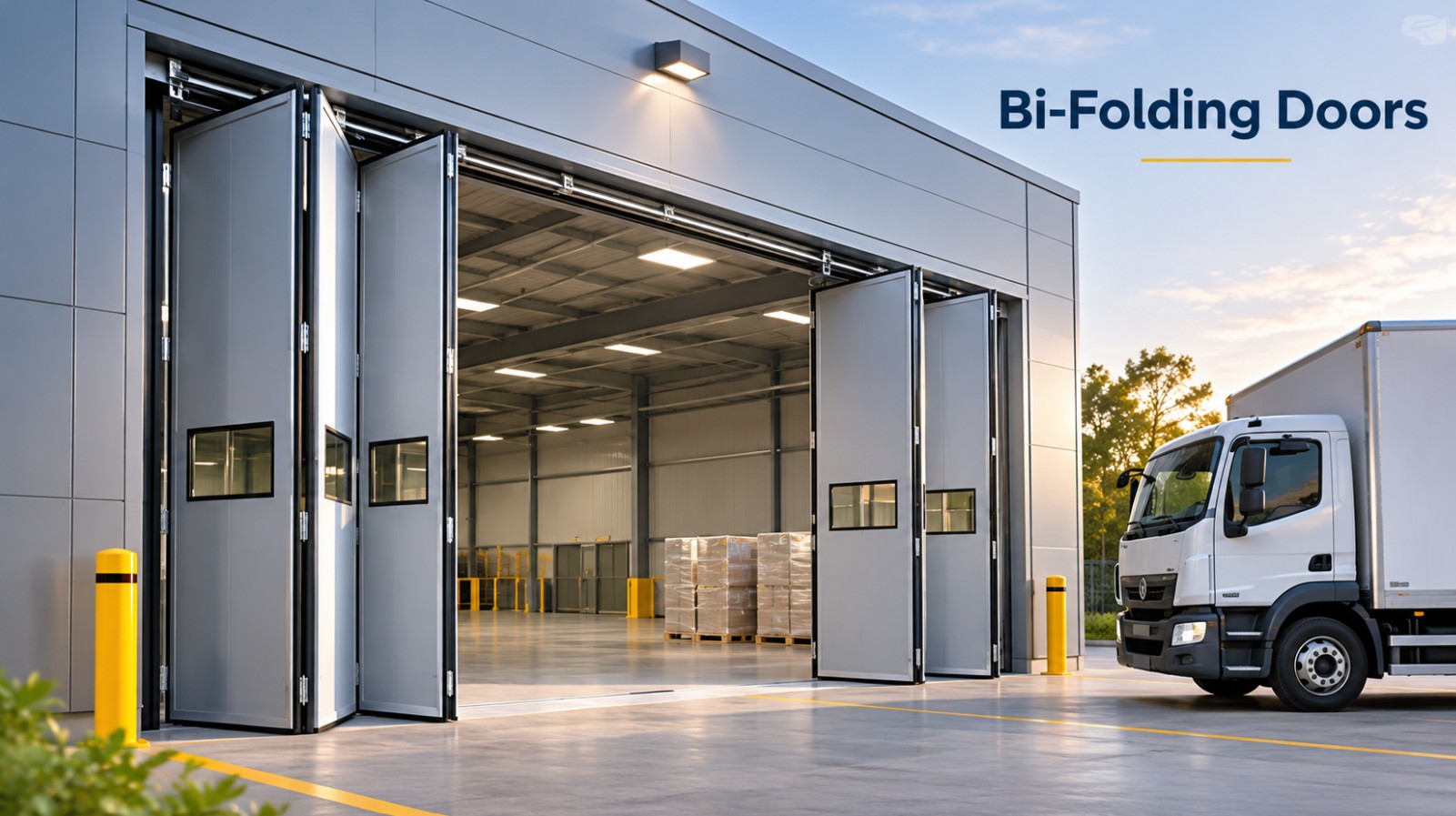
A loading bay needs a door that opens quickly, withstands frequent daily use, and doesn’t eat into valuable internal floor space when fully open. Bi-folding doors fold neatly against the side of an opening rather than swinging outward or rolling upward, which suits many warehouse and distribution layouts particularly well.
Businesses working with Dasco Entrance Technology on loading bay projects usually weigh up several specific factors before settling on a final specification.
Matching Opening Speed to Vehicle Turnaround
A distribution site handling frequent deliveries cannot afford a slow opening door, since every extra second spent waiting adds up across dozens of vehicle movements in a single shift.
Bi-folding doors generally open faster than traditional roller shutters of comparable size, reducing vehicle idling time and keeping a busy yard moving efficiently.
Specifying a motor rated for the expected frequency of use, rather than a lighter-duty option, avoids premature wear from constant cycling. A site handling continuous vehicle movement needs a noticeably more robust specification than one opening the door only a handful of times each day.
Protecting Internal Space Around the Opening
Roller shutters and sliding doors both require clear space either above or beside an opening, which is not always available in an existing building without significant alteration work.
A bi-folding door folds back against itself in a much tighter footprint, making it a practical retrofit option where space around the opening is already constrained.
This is particularly relevant in older industrial buildings where loading bays were not originally designed for modern door systems. Accurately measuring the available folding space before ordering avoids a mismatch discovered only once installation begins.
Weatherproofing an Opening Used All Year Round
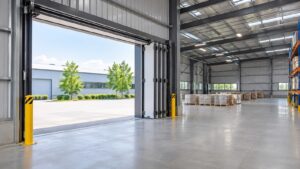
A loading bay door opens in every kind of weather, from summer heat to winter storms, and a poorly sealed system lets drafts and water into the building around its edges.
Good quality perimeter seals, combined with a frame designed to shed water away from the opening, keep the inside of a warehouse dry and comfortable for staff working nearby.
This matters particularly where goods stored close to the opening are sensitive to damp or temperature fluctuation. Asking specifically about the weatherproofing rating of a proposed door, rather than assuming all bi-folding systems perform equally, protects against this ongoing issue.
Building in Safety Features for a Working Yard
A loading bay is a genuinely busy working environment, with forklifts, delivery vehicles, and staff on foot all moving through the same space at different times.
Safety edges that stop the door immediately if they detect an obstruction, combined with clear visual warning signals during operation, reduce the risk of an accident during opening or closing.
Integrating the door with a wider yard management system, so vehicle movements and door operation are coordinated, adds a further layer of protection on particularly busy sites. Specifying these safety features from the outset avoids a costly retrofit once the door is already in daily use.
Planning for Long-Term Maintenance
A door cycling dozens of times a day experiences considerably more mechanical wear than one used only occasionally, making a planned maintenance schedule far more important on a busy loading bay.
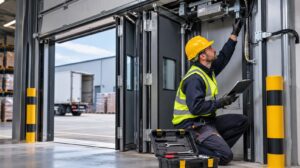
Regular servicing catches worn hinges, damaged seals, or a struggling motor before they cause a full breakdown that stops deliveries entirely.
Choosing a supplier that offers a genuine maintenance contract, rather than only a one-off installation service, gives a business confidence the door will keep performing as expected. This ongoing relationship often proves more valuable over time than the upfront specification decisions made before installation.
Getting the Specification Right From the Start
Matching opening speed to vehicle turnaround, protecting internal space, weatherproofing correctly, building in safety features, and planning for long-term maintenance together determine whether a bi-folding door performs well for years or becomes a recurring problem.
Commercial door installers work through each of these factors with clients before finalising a loading bay specification, rather than offering a single standard option regardless of site conditions.
This careful approach at the specification stage saves considerable cost and disruption later in the building’s life. A site that gets this right from day one typically avoids repeated breakdowns that disrupt deliveries and frustrate staff working around a busy loading bay.
Author Profile

- Lexie is a UX designer and digital nomad. She enjoys kayaking with her goldendoodle and baking new cookie recipes. Check out her design blog, Design Roast, and connect with her on Twitter @lexieludesigner.