

Why “Processing” Is a Poor Answer to a Paying Customer

Table of Contents
A replacement part marked “processing” leaves a tradesperson with a decision: keep tomorrow’s job or warn the customer it might slip.
For businesses selling online, the words after payment deserve as much attention as the button that collects it.
Imagine paying extra for a part you need tomorrow. The confirmation arrives immediately.
Hours later, the order still says “processing”. Has anyone picked it? Has the courier collected it? You have a customer expecting you at nine, and no idea whether to rearrange.
Nothing has necessarily gone wrong with the delivery. Yet the supplier has already given you a reason to telephone. Its website knows something about your order, but the message leaves you guessing.
Processed by You, Received by When?
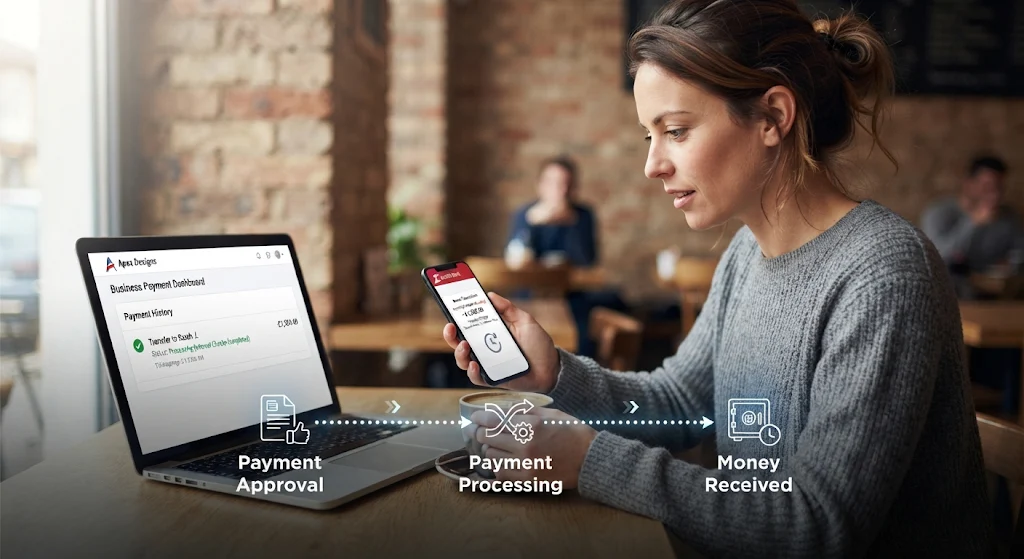
Businesses often write status messages around their own routines. An accounts team finishes a review and marks the request complete. Someone waiting for the money may read that as confirmation it has reached their bank.
An approval message can leave you checking your bank balance for money that has yet to arrive. A good example of how to explain that wait comes from the online casino industry. When you compare casinos online, the linked operator’s payment FAQs provide a useful example of the distinction between processing and arrival. Withdrawals are typically checked and processed within a few hours, while receipt depends on the payment method and further checks. Document verification has no fixed timeframe because requirements vary between customers. If you’re waiting for the funds, you can see what the estimate covers before assuming the money will be available within those same hours.
Retailers face their own version of this problem. Printing a shipping label completes an internal task. The parcel may still be sitting beside the printer.
Will “Two Working Days” Arrive Before the Job Starts?

That leaves the buyer doing calendar arithmetic. Does Friday afternoon count? Is the estimate measured from payment or dispatch? Someone who needs a part for Monday cannot plan around an unexplained number.
In its checkout research updated in November 2026, Baymard Institute reports that 48% of benchmarked sites fail to use delivery dates instead of delivery speeds. Its examples include John Lewis, where working-day estimates leave shoppers accounting for public holidays themselves.
The same research says 83% do not show the ordering cut-off as a countdown. A deadline expressed in another time zone adds another calculation just when somebody is deciding whether to pay for faster shipping.
For a UK supplier, “Estimated arrival: Tuesday 24 November” gives the buyer something usable. Where stock availability prevents that precision, publish a realistic date range. An attractive estimate that ignores preparation time simply postpones the awkward conversation until after payment.
Someone must also own that promise. If the warehouse stops accepting orders at three, the website cannot keep offering tomorrow’s delivery until five. Marketing copy and fulfilment rules need to agree. Otherwise, a well-written confirmation becomes evidence of a promise the operation was never equipped to keep, leaving customer service to explain the mismatch after the sale has gone through.
Has the Deposit Actually Secured the Appointment?
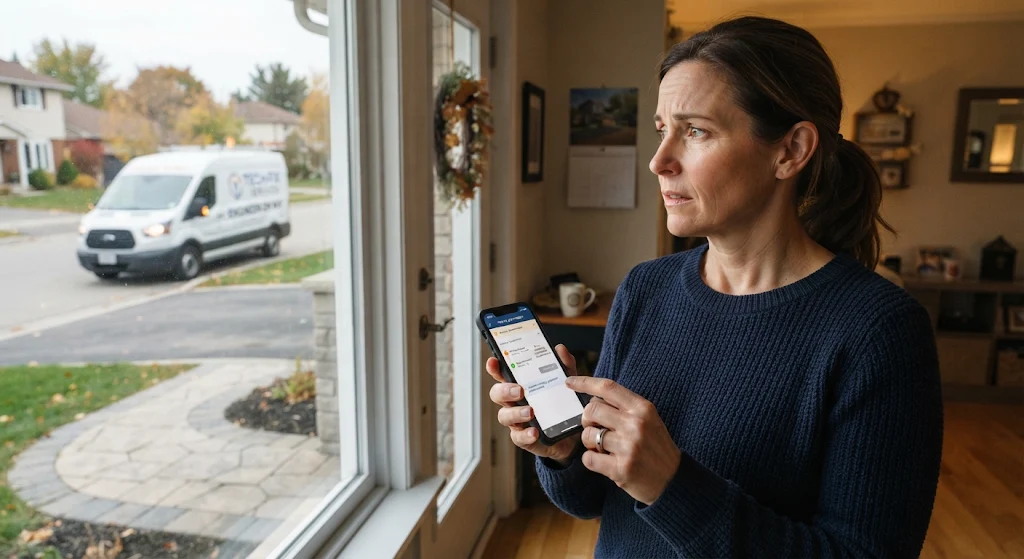
With service bookings, the uncertainty can begin before anyone leaves the office. A customer pays a deposit for a boiler repair and assumes the engineer is booked. The business may still need to check availability.
An empty driveway is an expensive discovery when you’ve blocked out the morning and driven across town. Taking a deposit before a service visit gives the booking some financial commitment before you set off. But the person paying may also be rearranging their day, perhaps taking time off work to let the engineer in. They need to know whether that appointment is booked or still awaiting approval.
If the appointment needs manual acceptance, say so before collecting money. The confirmation should then explain when that decision will arrive. Once accepted, give an attendance window and explain how changes will be communicated.
“Booking request received” and “Engineer booked for Tuesday morning” commit the business to different things. Using the same cheerful thank-you screen for both invites a misunderstanding that staff will have to untangle later.
Why Are Customers Calling Before Anything Is Late?
Those calls deserve a closer look. For a fortnight, record which stage customers have reached when they ask for an update. Keep enquiries made before the promised date separate from complaints about missed deadlines.
If buyers repeatedly call while orders are still on schedule, read the message they received immediately beforehand. Perhaps it confirms payment without mentioning dispatch. Perhaps an email promises tracking but never says when it will become available.
Rewrite the message attached to that stage, then compare enquiries per 100 orders over a similar period. Check delivery performance alongside it: a quieter telephone means little if customers have simply stopped trying to reach you.
Start with the question your receptionist answered twice this morning. Put the answer where the next customer will need it.
Author Profile

- Passionate content creator, contributor, freelance writer and content marketing allrounder.
Latest entries
 Business TipsNovember 17, 2026Why “Processing” Is a Poor Answer to a Paying Customer
 Business TipsSeptember 23, 2026How to Write a Product Requirements Document (PRD)
 Business TipsJune 25, 2026Protect Your Business: 5 Steps to Keep Your Sensitive Data Safe in 2026
 Business NewsFebruary 4, 20266 Ways UK Businesses Can Cut Logistics Costs Without Compromising Delivery Speed